A common uncertainty which baffles both visitors and residents of Ibiza is knowing, ‘Is the water in Ibiza safe to drink?'
With so many myths and opinions about the current water situation in Ibiza, we have brought together some important facts, so you can decide if it's to your taste.
The 10 most important things to know about drinking water on Ibiza
1. Yes, the water is 'safe' to drink in the short term, but depending on where you are filling your glass, it could have an interesting taste. This is because it may have added chlorine to kill bacteria, high levels of salt or calcium.
Therefore, residents may not choose it as a long-term method of hydration. However, the tap water meets Spanish/EU safety standards, so other than being put off by the taste, drinking the occasional glass whilst you’re on holiday is unlikely to be problematic.
2. Ibiza has two main sources of water, rainwater and seawater, and uses different methods to purify both.
3. Seawater is processed and filtered at one of the islands' desalination plants to remove any contaminants and the harsh taste of salt in Ibiza. Rainwater is collected after seeping down into underground lakes, called aquifers. There are many across the island, with the quality varying depending on location.
4. The good news is that the water in the underground lakes is largely free from soil contaminants (such as pesticides from farms). The bad news is that it is very high in calcium because Ibiza is made up of limestone, which produces hard water. This is why you get 'lime scale' build-up in kettles and other appliances, in hard water areas. Ibiza residents are increasingly installing filtration systems to their taps (you also find this in many rental villas) to help reduce plastic waste and hard water usage.
5. Boiling water doesn't get rid of calcium. Small amounts of calcium are okay, so the tap water generally is safe for boiling vegetables, making pasta, etc. - though some people may prefer to use bottled water. It's also fine for brushing teeth, showering and washing clothes, etc.
6. You don't need to worry about food and drinks prepared in hotels and restaurants. Ice cubes, for example, are usually purchased from outside sources for ease.
7. Some people have wells in their house or garden that tap into the underground lakes directly. Or they may buy water from a neighbour with a well. In some areas, companies like Aqualia supply tap water via the main pipe network. If these options aren't available, then water is stored in large tanks and delivered by trucks several times a year.
8. Ibiza is blessed with beautiful weather; the downside to this is that it doesn't rain much over spring and summer. This means that when the underground lakes get low, seawater can seep in. Once this happens, recovery can be slow.
For example, the drinking water in Playa d'en Bossa is especially salty because its underground lake has been “polluted” by seawater.
9. Buying bottled water is costly, but for most people visiting Ibiza, it is the easiest option. A cheap and most environmentally friendly way to buy water is to purchase large 8-litre flasks from the supermarket and pour them into smaller bottles to use daily.
The large bottles should not be stored in the sun and should be recycled at intervals throughout the summer. Aluminium refill bottles are easy to purchase from most fitness stores or supermarkets and can be pre-chilled to ensure you are kept refreshed once leaving the house.
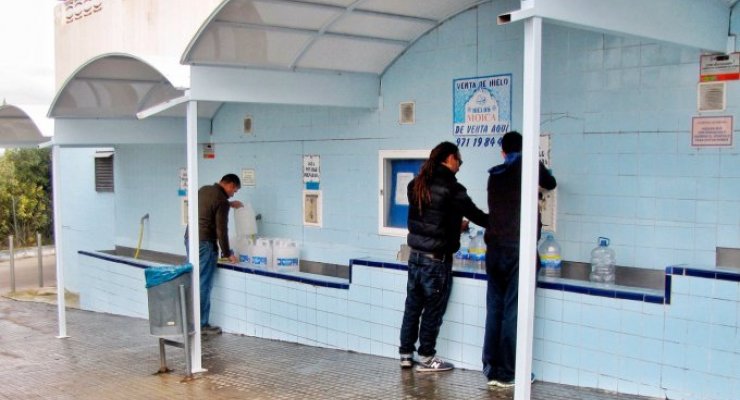
10. The cheapest option is to go to an ‘agua-potable' site where you can fill up your own water containers for a fraction of the cost. This is treated water from the underground lakes and is perfectly drinkable.
You can find these filling stations behind the petrol station in San Rafael (Fuentejara, Google Maps Ref.), on the main road from Ibiza Town to Santa Eulalia (Pozo Can Guasch, Google Map Ref.) and in San José (Google Map Ref.).
Ibiza is running out of water. While it's not a fun topic, and not one you may want to think about while on holiday, being considerate of your consumption is incredibly important to the island's preservation.
Find out more about why we should be aware of our water use with IbizaPreservations article for World Water Day on 22 March, and through our holiday tips guide.